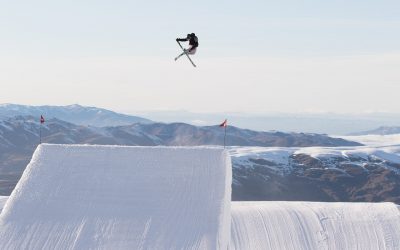
Skiing, with its exhilarating speed and challenging terrains, is a sport loved by many adrenaline enthusiasts here in Wanaka. However, amidst the rush and thrill, there lies the risk of injury, particularly to the knee. One of the most common knee injuries among skiers is the medial collateral ligament (MCL) injury. Understanding this injury, its causes, prevention, and recovery strategies is crucial for skiers to enjoy their favorite activity safely.
The MCL is a band of tissue on the inner side of the knee that connects the thigh bone (femur) to the shin bone (tibia) and provides stability to the knee joint. During skiing, the MCL can be strained or torn due to sudden twisting motions, collisions, or awkward landings. These injuries often occur when a skier catches an edge or experiences a fall while the ski is still attached to the boot, exerting torque on the knee.
The severity of an MCL injury can vary from mild sprains to complete tears, depending on the force applied and the positioning of the knee at the time of impact. Symptoms may include pain and tenderness along the inner knee, swelling, stiffness, and difficulty bearing weight.
Preventing MCL injuries begins with proper skiing technique and equipment. Skiers should focus on maintaining good form, including keeping their knees flexed, not twisting in excessively and maintaining a balanced stance. Additionally, ensuring that ski bindings are correctly adjusted to release when necessary can reduce the risk of twisting injuries.
Moreover, conditioning exercises targeting the muscles around the knee, particularly the quadriceps, glutes, hamstrings, and calves, can help improve stability and reduce the likelihood of injury. Incorporating exercises that enhance balance, proprioception, and agility into a skier’s training regimen can further reduce the risk of potential injuries.
In the unfortunate event of an MCL injury, proper management is essential for a successful recovery and a swift return to skiing. Initially, “PEACE and LOVE” can help alleviate pain and swelling. Depending on the extent of the tear, immobilisation of the knee with a brace at a specific angle is needed. This helps the ends of the tear unite. Then under the guide of your physiotherapist this range is gradually increased as the ligament heals.
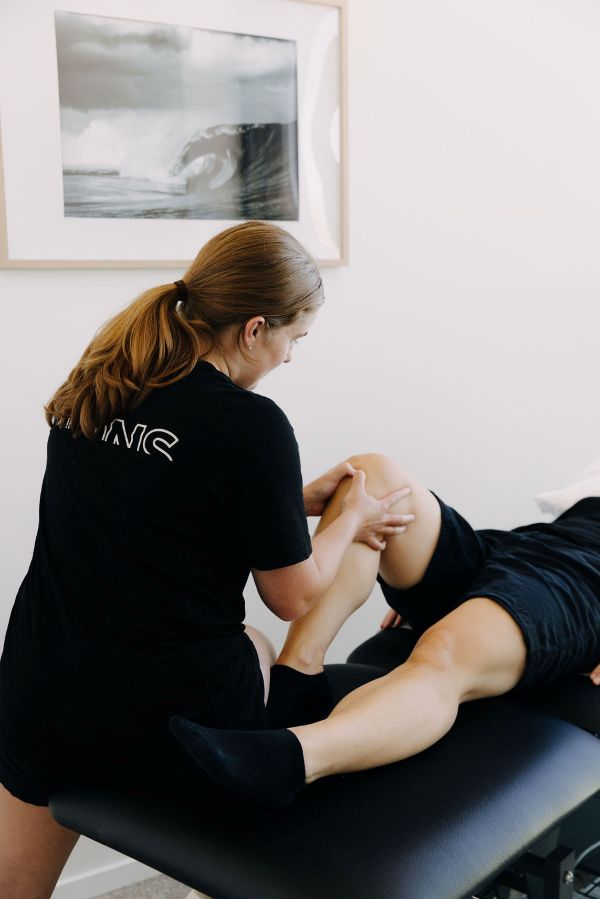
Physiotherapy plays a crucial role in rehabilitating an MCL injury. Physio’s can prescribe targeted exercises to strengthen the muscles surrounding the knee, improve range of motion, and restore proprioception. Gradually reintroducing skiing activities under the guidance of physiotherapists allows skiers to gauge their readiness to return to the slopes safely.
In cases of severe MCL tears or when conservative treatments fail to provide relief, surgical intervention may be considered but this is not common. If your knee was braced appropriately and early enough, surgical intervention can be typically avoided.
Despite the inherent risks, skiing remains a beloved pastime for many Wanaka locals. By understanding the causes of MCL injuries and implementing preventive measures, skiers can minimize their risk of injury and continue to enjoy the thrill of the slopes. Additionally, knowing how to recognize and properly manage an MCL injury is essential for a speedy recovery and a swift return to the slopes. With proper care and precaution, skiers can keep themselves safe and continue to pursue their passion for skiing with confidence.