How a Pessary and Pelvic Floor Physiotherapy Can Help POP.
If you’ve been told you have pelvic organ prolapse or stress urinary incontinence, you may have heard about pessaries as a treatment option. Many women are surprised to learn that a pessary can work alongside pelvic floor physiotherapy to improve comfort, confidence, and daily function.
At a Alpine Physiotherapy our Women’s Health Physiotherapist can use pessary’s to help support your pelvic walls. This is often combined with tailored rehabilitation from a qualified pelvic health physio to help women stay active and reduce symptoms naturally.
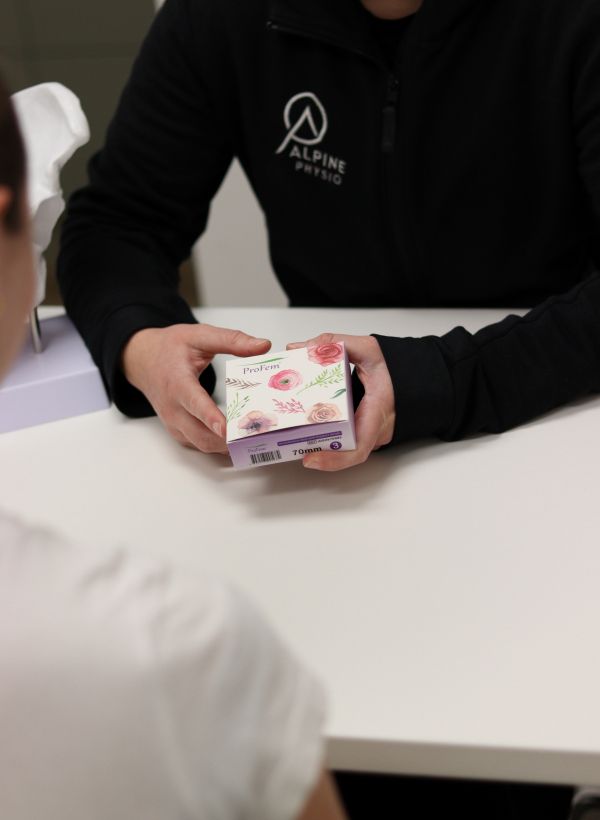
A pessary is a soft silicone device inserted into the vagina to support the pelvic organs. It is commonly used for pelvic organ prolapse and bladder leakage. Research shows pessaries can reduce feelings of heaviness, pressure, and urinary leakage while helping women avoid or delay surgery.
However, a pessary is usually most effective when paired with treatment from a pelvic floor physio.
What Does a Pelvic Floor Physio Do?
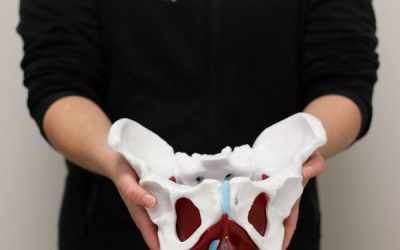
A pelvic floor physio assesses how your pelvic floor muscles, breathing patterns, posture, and core system are functioning together. Contrary to popular belief, pelvic floor dysfunction is not always caused by weakness alone. Some women have muscles that are overactive, tight, poorly coordinated, or unable to relax properly.
Pelvic floor physiotherapy may include:
-
Pelvic floor muscle retraining
-
Breathing and pressure management strategies
-
Core strengthening
-
Return-to-exercise guidance
-
Bladder retraining
-
Education around lifting, constipation, and bowel habits
Pelvic floor therapy can help improve symptoms of prolapse and incontinence while supporting long-term pelvic health.
Why Combine Physiotherapy With a Pessary?
Think of a pessary as a support tool rather than a “fix.” It can reduce symptoms immediately, while physiotherapy addresses the contributing factors behind the problem.
For example:
-
A pessary may help you walk comfortably again
-
Physiotherapy can improve muscle support and pressure control
-
Together, they can help you return to exercise safely
Many women use a pessary temporarily during postpartum recovery, high-impact exercise, or periods of increased symptoms. Others choose longer-term use because it allows them to stay active and avoid surgery.
Community discussions among women with prolapse often highlight that symptom improvement tends to be best when pessary use is combined with pelvic floor rehabilitation and exercise guidance.
Is a Pessary Right for Everyone?
Not necessarily. A proper fitting is essential, and some women may need several fittings before finding the right type and size. A poorly fitted pessary can feel uncomfortable or increase symptoms. Regular follow-up is also important to monitor vaginal tissue health and ensure the pessary remains effective.
This is why working with an experienced pelvic health physio or women’s health clinician matters.
Women’s Health Physio in Wanaka
Our pelvic health experts know how important the outdoors is to Wanaka locals, we ensure your treatment is tailored to your goals, whether that means:
-
Returning to running
-
Managing prolapse symptoms
-
Reducing bladder leakage
-
Recovering after childbirth
-
Feeling confident during exercise again
Pelvic floor symptoms are common, but they are treatable. With the right combination of education, physiotherapy, and support tools like pessaries, many women can return to the activities they love with greater comfort and confidence.