
Knee pain when walking the beautiful mountains of Wanaka?
Knee pain is one of the most common injuries we see in the clinic. Now that summer is well and truly here we have seen a surge in people getting out to do our great walks. We have also seen a huge spike in knee pain that people report have started for no apparent reason. This article will provide helpful exercises for non-trauma knee injuries such as patello femoral pain syndrome (aka runner’s knee), plica and fat pad irritation. These injuries often present with pain at the front of the knee, knee pain when running, knee pain going up and down stairs. Your knees can often click but this is usually not painful in runners knee.
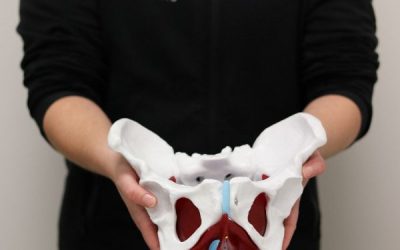
Firstly a quick overview of the anatomy. The knee joint is made up of the femur (thigh bone), tibia (shin bone) and the patella (knee cap). The knee cap is positioned above a groove in the femur and held in place firmly by the quads and retinaculum so it doesn’t pop out of position.
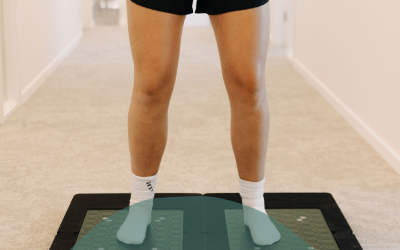
Most people presenting with anterior (front) knee pain will have some form of change in their biomechanics. When we walk or run there is part of the movement when we are standing on one leg and are therefore more unstable in that moment. We often see people become more unstable on one side than the other. This causes the knee to roll in, the foot arch to drop, the opposing hip to drop and the trunk to shift slightly to the side to compensate. When this movement happens repeatedly the knee cap will rub in its groove with the femur causing pain or clicking or trapping the cushioning around it (the Hoffa’s fat pad).
To self check your stability stand in front of a mirror with your hands on your hips. Standing on one leg do 3-5 single leg squats and watch what your knees and hips are doing. If your knee rolls inside of your second toe, your arch drops, trunk shifts to the side or your hip drops then poor biomechanics will likely be contributing to your knee pain.
Poor strength in glutes and your quadricep muscles – specifically the VMO (Vastus medialis oblique fibres). Have a look at the muscles in the front of your thigh, activate them and squeeze them as hard as you can. If there is a difference in bulk of the muscle on the inside front part of the quad then that will contribute to your knee pain.
How do we fix knee pain?
By improving your strength and stability! We use specific leg strengthening exercises like Bulgarian split squats, crab walks, variations of single leg squats and RDL’s to specifically address your knee pain.
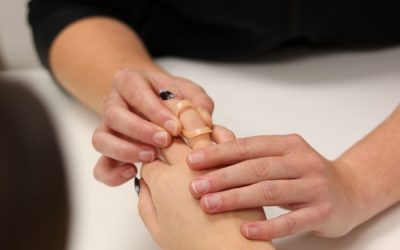
Temporary measures to help reduce pain can be used to help you stay active. Foam rolling the quads, ilio-tibial band, TFL and glute muscles can help reduce your pain for a few days. Taping your knee cap. Taping can help by offloading the sensitive structures that cause knee pain. It doesn’t fix the cause but it certainly helps alleviate the pain.
Load is another big contributor to knee pain. If you are planning on going on a multi day hike then make sure you have enough training under your belt to do it safely. Get out walking and hiking 2-3 days a week for at least 6-8 weeks before your big trip. Gradually increase the distance and incline over this time and if you are carrying a pack then make sure you take that on some of your practice hikes.
Keep your strength and stability up over the summer and don’t let your knees get in the way of enjoying the wonderful hikes around Wanaka.
Book online or send us an email with any questions.