
AC Joint injuries – the mountain biking badge of honour in Wanaka.
What is your AC Joint?
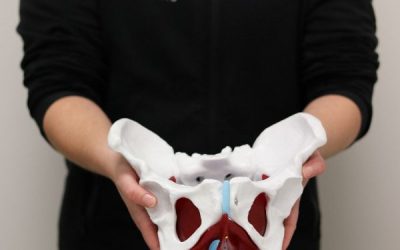
Your AC Joint or Acromioclavicular Joint is in your shoulder where the acromion part of the scapular (shoulder blade) connects to the clavicle (collar bone). It is held together by a series of ligaments and is a plane synovial joint. The three ligaments are the acromioclavicular ligament, coracoacromial ligament and the coracoclavicular ligament. Injuries to the joint usually involve damage to one or more ligaments of the joint, resulting in instability.
What happens when you injure it?
People usually injure their AC Joint by falling on the outside tip of their shoulder. This can result in a sprain of the AC Joint, or even separation of the joint if multiple ligaments are torn. In some cases there is a large visible bony bump on the top of the shoulder, indicating a more severe injury. In Wanaka it is frequently caused by mountain bikers falling off their bike and the shoulder hitting the ground at speed.
People will typically have pain right on the point of their shoulder, it is usually local (ie doesn’t spread down your arm), pain with reaching across your body or above your head. Also a large bump is very indicative of an AC Joint injury. We do a range of special tests to confirm if it is your AC Joint and how disrupted the ligaments are. If it looks like a high grade 2 or grade 3 we will usually send you off for a weight bearing x-ray where they x-ray your shoulder, then make you hold a 5kg weight and take another x-ray. This is to see if the AC Joint separates more under load. If it does we will typically send you for a specialist review.
Can you prevent it?
In contact field sports learning to fall or roll is essential to preventing this type of shoulder injury. In mountain biking it typically happens so fast, usually after you have hit the knuckle then shoulder charge the ground. You could argue that learning to land/roll in this situation would reduce the prevalence however there is no current evidence around this in high speed sports.
How can physio help?
In the initial stages physio is helpful to reduce pain by releasing the soft tissues around the joint so they don’t load it and aggravate it. Timeframes to full recovery vary depending on the grade of injury and how manual that persons job or hobbies are. Someone who needs to repeatedly lift objects above their head will typically take longer to build up the strength required to do these pain free. Early on we teach you how to strengthen your shoulder blade muscles as they are the ones to control the amount of load or shearing in the AC Joint. Then you will build up the strength to control pushing forces through the joint, then finally overhead and compressive loads through the joint.
Can you get FREE Physio?
YES! AC Joint grade 2 or 3 injuries will be covered under ECP to get fully funded physiotherapy and referral to specialists if required. You get funding till you achieve your functional goals, not just back to work! So that means till you are back shredding the trails of Wanaka.
Book online or send us an email with any questions.