Can I Run With Prolapse?
If you’ve been diagnosed with pelvic organ prolapse and love running, one of the first questions that often comes up is: “Do I need to stop running forever?”
The short answer is — not necessarily.
For many women, running is more than exercise. It’s stress relief, social connection, mental clarity, and part of everyday life. Whether you’re jogging the lakefront in Wānaka, training for the Motatapu, or simply enjoying the trails around Mount Iron, being told to “just stop running” can feel overwhelming.
The good news is that many women can continue running with prolapse — with the right assessment, guidance, and pelvic floor support.
What Is Pelvic Organ Prolapse?
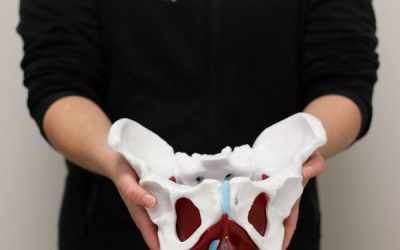
Pelvic organ prolapse happens when the tissues and muscles supporting the bladder, uterus, or bowel lose support, allowing one or more organs to descend into the vaginal wall. Symptoms can include:
- A feeling of heaviness or dragging
- A vaginal bulge or pressure
- Bladder leakage
- Difficulty emptying the bladder or bowel
- Pelvic discomfort during or after exercise
Prolapse is very common, particularly after pregnancy, childbirth, menopause, or years of high-impact sport. Health NZ notes that factors such as repetitive heavy lifting, chronic coughing, constipation, and pelvic floor weakness can contribute to prolapse development.
Does Running Make Prolapse Worse?
This is where things become less black and white.
Running increases pressure through the abdomen and pelvic floor with every stride. For some women, especially those with reduced pelvic floor support, symptoms may worsen during or after running.
However, prolapse symptoms do not always equal damage.
Some women can comfortably continue running without progression of their prolapse, while others find even short runs aggravate symptoms. It depends on factors such as:
- The severity of the prolapse
- Pelvic floor strength and coordination
- Running technique
- Load management
- Fatigue and recovery
- Hormonal changes
- Core and hip strength
- Surface and terrain
A steep technical trail around Sticky Forest may feel very different to a flat jog along the Clutha River track. Similarly, running postpartum is very different from running through perimenopause.
The key is learning how your body responds.
Signs Your Body May Not Be Ready for Running
Running with prolapse should not feel miserable or frightening. Symptoms that suggest your body may need more support include:
- Increasing vaginal heaviness during a run
- Symptoms lasting hours or days afterwards
- A visible or worsening bulge
- Leakage that is increasing
- Pelvic pain
- Feeling pressure with every foot strike
These symptoms do not necessarily mean you must stop forever — but they are signals that your pelvic floor and pressure management need assessment.
Why Pelvic Floor Physiotherapy Matters
One of the biggest misconceptions about prolapse is that the only options are “live with it” or surgery.
Pelvic health physiotherapy is considered a first-line treatment for prolapse management.
A pelvic health physiotherapist can assess:
- Pelvic floor muscle function
- Breathing and pressure strategies
- Core coordination
- Hip and glute strength
- Running mechanics
- Training load
- Return-to-running readiness
Importantly, prolapse management is not simply about doing endless Kegels.
In some women, the pelvic floor is actually overactive or tense rather than weak. Others may need strength, endurance, impact retraining, or better coordination between breathing and movement.
A tailored approach matters.
Tips for Running With Prolapse
1. Start Gradually
If you’ve had symptoms for a while — or are returning postpartum — avoid jumping straight back into long distances or high-intensity sessions.
Many women do better beginning with:
- Walk-run intervals
- Shorter distances
- Softer terrain
- Reduced downhill running
Think progression, not punishment.
2. Improve Pressure Management
One of the most important skills in prolapse rehab is learning to manage intra-abdominal pressure.
Breath holding, straining, poor core coordination, or excessive gripping can all increase downward pressure on the pelvic floor.
Small technique changes can make a significant difference.
3. Strengthen More Than the Pelvic Floor
Your hips, glutes, calves, trunk, and breathing mechanics all contribute to running efficiency and pelvic support.
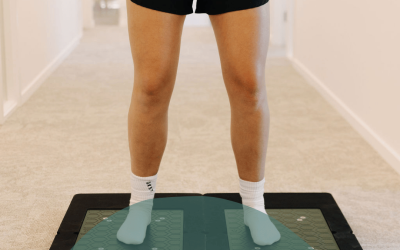
A strong pelvic floor works best as part of an integrated system — not in isolation. We use VALD Performance Testing to help diagnose other areas of your body that can improve biomechanics.
4. Monitor Symptoms, Not Fear
Some symptom awareness during rehabilitation is normal. The goal is not necessarily zero sensation immediately, but rather:
- symptoms that settle quickly,
- no progressive worsening,
- and confidence returning over time.
Many women become understandably anxious after diagnosis, particularly if they’ve read online that running is “bad” for prolapse. But fear itself can create guarding, tension, and avoidance behaviours that make movement feel worse.
5. Consider Support Options
Some women benefit from:
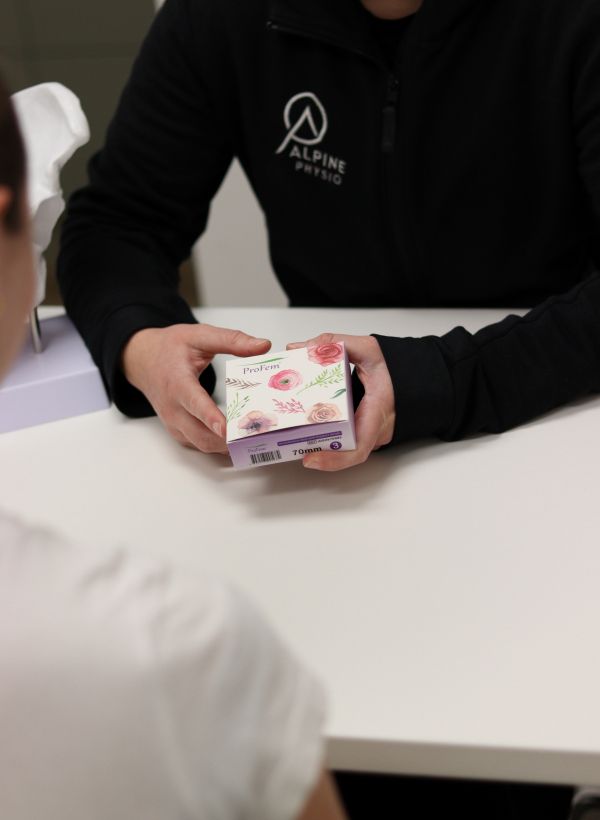
- Vaginal pessaries
- Support garments
- Modified training programs
- Temporary reduction in mileage
- Cross-training
Online support communities frequently describe pessaries as a “game changer” for returning to running and exercise.
What About Trail Running?
Living in or around Wānaka means many women naturally gravitate toward trail running, hiking, and mountain training.
Trail running adds extra challenges because of:
- Uneven surfaces
- Downhill impact
- Fatigue
- Longer training durations
- Climbs requiring increased abdominal pressure
Interestingly, some women tolerate uphill running better than flat or downhill terrain because stride mechanics and impact forces change. Others find steep climbs aggravate pressure symptoms.
Again, there is no universal rule — individual assessment by a pelvic health expert matters.