
Pelvic Organ Prolapse treatment in Wanaka
Pelvic Health Physiotherapy for Prolapse
Pelvic organ prolapse is a common condition that affects many women throughout their lives, yet it is something that often goes undiscussed. Many women assume that feelings of heaviness, pressure or a vaginal bulge are simply something they have to live with after having children or during menopause. The good news is that there are excellent treatment options available, and surgery is not always the first or only solution.
At Alpine Physiotherapy, our Women’s Health Physiotherapists provide evidence-based assessment and treatment for prolapse, helping women regain confidence, stay active, and improve their quality of life.
What is a Pelvic Organ Prolapse?
A pelvic organ prolapse occurs when the muscles, ligaments and connective tissues supporting the pelvic organs become stretched or weakened. As these supports weaken, one or more pelvic organs may descend into the vagina.
This may involve:
- The bladder (anterior wall prolapse or cystocele)
- The uterus (uterine prolapse)
- The bowel (posterior wall prolapse or rectocele)
- The top of the vagina (vault prolapse)
Common symptoms include:
- A feeling of heaviness or dragging in the pelvis
- A sensation of a lump or bulge in the vagina
- Bladder leakage or difficulty emptying the bladder
- Difficulty emptying the bowels
- Pelvic discomfort after standing or exercising
- Symptoms that worsen later in the day
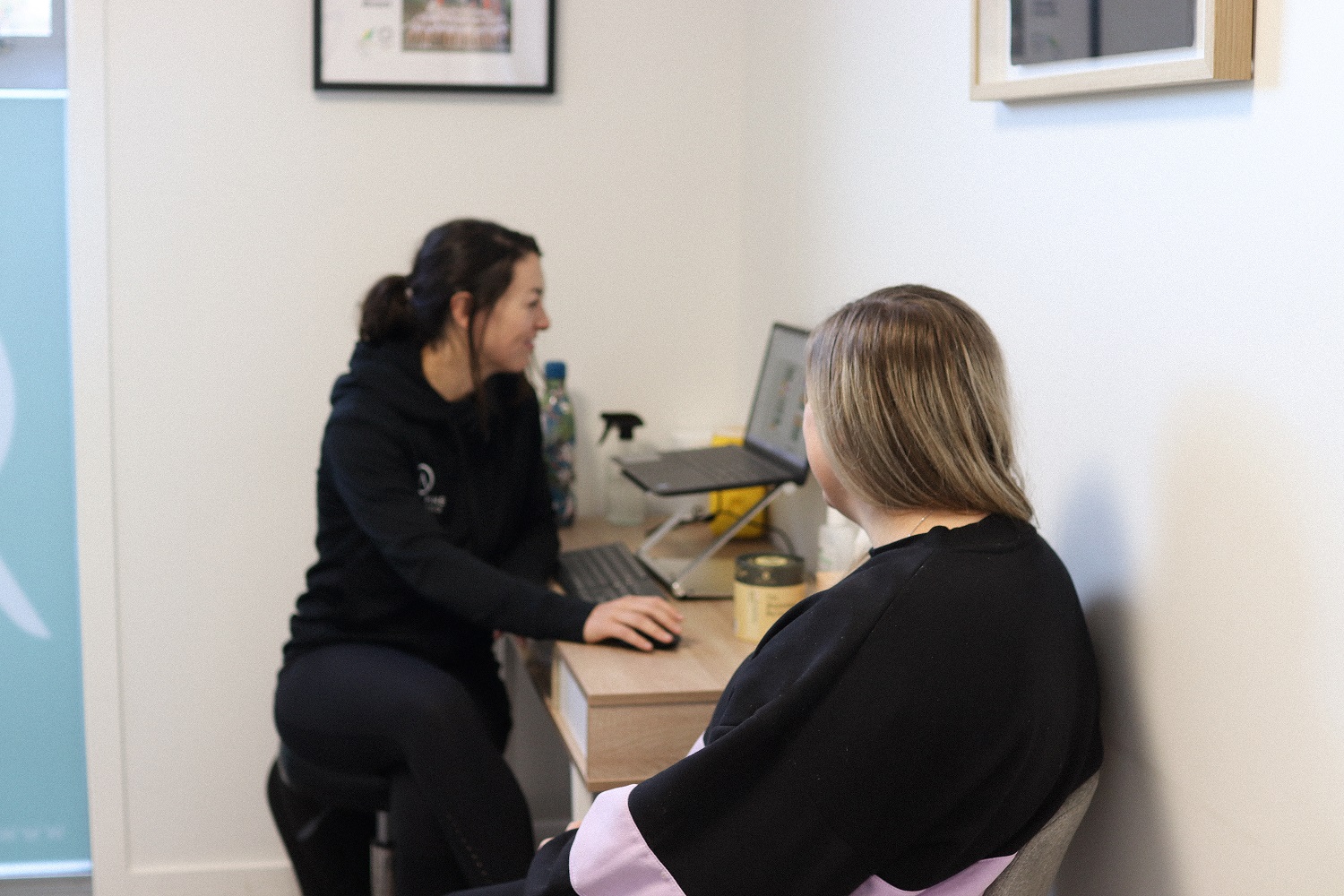
Having a prolapse does not always mean surgery is required. Many women experience significant improvements with conservative management through pelvic health physiotherapy.
Understanding the Different Grades of Prolapse
Pelvic organ prolapse is commonly graded from Stage 1 to Stage 4 based on how far the pelvic organs descend.
Stage 1
The prolapse remains well inside the vagina.
Symptoms are often mild and may include occasional heaviness after exercise or long periods of standing.
Stage 2
The prolapse reaches the opening of the vagina but does not protrude beyond it.
Women commonly notice pressure, discomfort or the sensation of “something is there.”
Stage 3
The prolapse extends beyond the vaginal opening.
Symptoms are usually more noticeable and can interfere with exercise, work and daily activities.
Stage 4
The pelvic organ has descended almost completely outside the vaginal opening.
Although this sounds alarming, there are still effective management options available and many women can improve their symptoms significantly.
Physiotherapy Treatment for Grade 1 and Grade 2 Prolapse
For women with mild to moderate prolapse, pelvic health physiotherapy is considered the first-line treatment.
Your assessment will include:
- A detailed discussion about your symptoms and goals
- Pelvic floor muscle assessment
- Assessment of breathing, posture and abdominal muscle function
- Bladder and bowel habits
- Exercise and lifting habits
- Lifestyle factors contributing to symptoms
Treatment may include:
Pelvic Floor Muscle Training
Research shows that appropriately prescribed pelvic floor muscle exercises can improve support for the pelvic organs and reduce prolapse symptoms.
Unlike simply doing “Kegels,” your physiotherapist will assess whether your pelvic floor muscles are weak, overactive or poorly coordinated and tailor your programme accordingly.
Education
Understanding what causes symptoms can often reduce anxiety and improve confidence.
We provide advice on:
- Safe lifting
- Managing constipation
- Exercise modification
- Returning to running
- Managing symptoms during daily activities
Strength and Exercise
Building whole-body strength helps reduce unnecessary pressure on the pelvic floor.
Your programme may include:
- Core strengthening
- Hip strengthening
- Functional strength exercises
- Return-to-impact training where appropriate
Treatment for Grade 3 and Grade 4 Prolapse
More advanced prolapse often requires a combination of physiotherapy and medical management with either pessaries or onward surgical referral.
Many women are surprised to learn that physiotherapy still plays a valuable role, even with more severe prolapse.
Treatment focuses on:
- Optimising pelvic floor muscle function
- Improving pressure management
- Managing bladder and bowel symptoms
- Helping you remain active
- Improving comfort during daily life
Many women can continue exercising successfully with appropriate guidance and support.
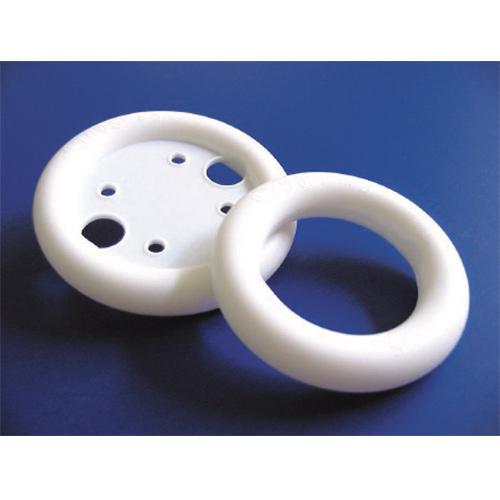
Pessaries for Prolapse
A pessary is a soft silicone device inserted into the vagina to support the pelvic organs.
For many women, a pessary can provide immediate relief from feelings of heaviness and pressure.
Pessaries can be an excellent option for women who:
- Want to remain physically active
- Wish to delay or avoid surgery
- Are planning future pregnancies
- Are waiting for specialist assessment
- Need additional support during exercise
At Alpine Physiotherapy, we provide pessary assessment, fitting, education and ongoing follow-up.
Finding the correct pessary is important, and several different shapes and sizes are available depending on your symptoms and anatomy. Our pelvic health physio’s are experts in fitting all types of pessaries.
Many women comfortably wear a pessary for years while continuing to enjoy walking, running, hiking and other activities.
When is Surgery Recommended?
Not every prolapse requires surgery.
Surgical management is generally considered when:
- Symptoms remain significant despite conservative treatment
- The prolapse is severely affecting quality of life
- A pessary is not suitable or no longer effective
- The individual prefers surgical management
Your Women’s Health Physiotherapist will discuss all available options with you and help determine whether referral to a specialist is appropriate.
If surgical assessment is recommended, we can refer you to a gynaecologist or urogynaecologist for further investigation.
Physiotherapy also plays an important role before and after surgery, helping optimise pelvic floor function, improve recovery and support a safe return to normal activities.
You Don’t Have to Live With Prolapse
Pelvic organ prolapse is common—but it is also highly treatable.
Whether your symptoms are mild or more significant, our Women’s Health Physiotherapists are here to provide expert assessment, personalised treatment and ongoing support.
At Alpine Physiotherapy, we’re passionate about helping women move confidently, stay active and enjoy life without being limited by prolapse.
If you’re experiencing pelvic heaviness, pressure or a vaginal bulge, we’d love to help.