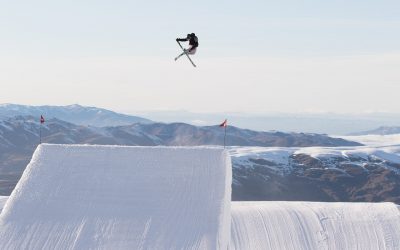

Hitting the slopes up Treble Cone or Cardrona this winter? With its exhilarating speed and breathtaking views, skiing is a sport loved by millions around the world. However, like any sport involving physical activity and high speeds, skiing carries its risks, particularly when it comes to injuries. Whether you’re a seasoned pro or a novice hitting the slopes for the first time, understanding and practicing injury prevention techniques is essential to ensure a safe and enjoyable experience on the mountains of Wanaka.
1. Preparation and Conditioning
Prevention begins long before you clip into your skis. Proper preparation and conditioning are crucial to reducing the risk of injuries. Strengthening the muscles around your knees, hips and ankles, as well as your core muscles, helps to improve stability and control while skiing. Incorporate exercises like squats, lunges, planks, jumping and balance exercises into your fitness routine to enhance your strength and co-ordination.
2. Warm-Up and Stretching
Before you launch into your first run, take the time to warm up your muscles properly. Cold muscles are more prone to strains and injuries, so start with some light aerobic activity to increase blood flow to your muscles. Followed by dynamic (moving, not holding) stretches that mimic the movements you’ll be doing while skiing. Dynamic movements like travelling lunges to open up the hips, leg swings, dynamic calf stretches and back rotations are fantastic to do before jumping on the chairlift. Static stretches that you hold for 20-30 seconds before skiing INCREASE your risk of injury so we do not recommend doing this before skiing – save this for down the mountain.
3. Gear Up for Safety
Your equipment can significantly impact your safety on the slopes. Ensure your ski boots fit properly and provide adequate support for your ankles and feet. Bindings should be adjusted by a professional to release when necessary to prevent knee injuries (DIN settings). Helmets are a must for skiers of all levels, as they protect against head injuries during falls or collisions.
4. Know Your Limits
While the thrill of skiing can be addictive, it’s essential to know your limits and ski within your abilities. Don’t attempt slopes or maneuvers that are beyond your skill level, as this significantly increases the risk of accidents. Progress gradually, take lessons if needed, and always follow the rules and guidelines of the ski patrollers.
5. Be Aware of Surroundings
Being aware of your surroundings is crucial for injury prevention on crowded slopes. Pay attention to trail signs, ski patrol warnings, and other skiers and snowboarders around you. Maintain a safe distance from others to reduce the risk of collisions, and give way to skiers downhill or merging onto a trail.
6. Hydration and Nutrition
Skiing is a physically demanding activity that can quickly deplete your energy and hydration levels. Stay hydrated by drinking water regularly throughout the day. Fuel your body with nutritious snacks and meals to maintain your energy levels. Avoid excessive alcohol consumption, as it impairs judgment and coordination, increasing the risk of accidents.
7. Posture and Technique
Proper skiing technique not only enhances your performance but also reduces the strain on your muscles and joints. Keep your knees slightly bent and your weight centered over your skis to maintain balance and control. Lean forward slightly with your arms relaxed but ready to react. Take lessons from certified instructors to improve your technique and learn how to fall safely.
8. Rest and Recovery
Lastly, listen to your body and allow time for rest and recovery between ski sessions. Fatigue increases the risk of injuries, so take breaks throughout the day to rest and refuel. Pay attention to any signs of discomfort or pain, and don’t hesitate to seek medical attention if you experience an injury.
By following these injury prevention tips, you can maximise your enjoyment of skiing while minimising the risk of accidents and injuries. Remember, safety should always be a priority on the slopes, allowing you to focus on carving through fresh cord and soaking in the stunning mountain scenery of Wanaka.