
For urgent appointments please call us.
Pelvic Pain
Expert Pelvic Health Physiotherapy for Women Living with Pelvic Pain
Living with pelvic pain can be exhausting, frustrating, and at times incredibly isolating. Many women live with pain for months or even years before seeking help, often believing it is “normal” after pregnancy, something they simply have to put up with, or that nothing can be done.
The reality is that persistent pelvic pain is never something you should have to simply accept.
At Alpine Physiotherapy, our Women’s Health Physiotherapists provide comprehensive assessment and evidence-based treatment for a wide range of pelvic pain conditions. We work closely with your GP, specialist and other healthcare providers to help identify contributing factors, reduce pain, restore function and help you return to living life confidently.
What is Pelvic Pain?
Pelvic pain refers to discomfort experienced anywhere within the pelvis, lower abdomen, hips, buttocks or genital region. Pain may be constant or intermittent and can range from a dull ache through to sharp, burning or stabbing pain.
Symptoms may occur:
- During pregnancy
- During exercise
- While sitting
- During sexual intercourse
- During bowel motions
- During urination
- Around menstruation
- Following surgery or childbirth
Often there isn’t just one cause. Pelvic pain is commonly influenced by muscles, joints, nerves, connective tissue, hormones and the nervous system itself. A thorough assessment helps identify which factors are contributing to your symptoms.
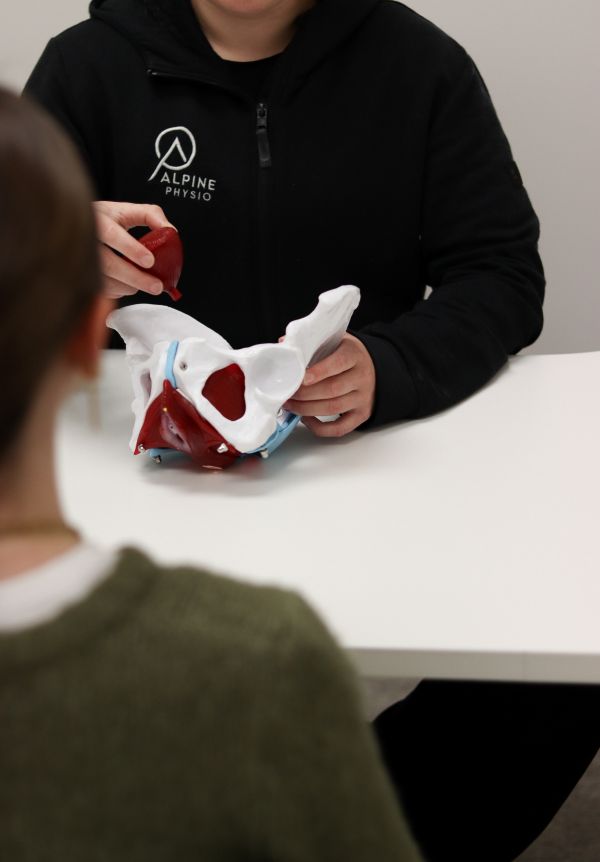
Pregnancy-Related Pelvic Pain
Pregnancy places significant demands on your body. As hormones soften ligaments and your baby grows, increased stress is placed on the pelvis, hips and lower back.
Common pregnancy-related conditions include:
- Pelvic Girdle Pain (PGP)
- Symphysis Pubis Dysfunction (SPD)
- Sacroiliac joint pain
- Low back pain
- Round ligament pain
Symptoms often include:
- Pain turning in bed
- Difficulty walking
- Pain climbing stairs
- Pain standing on one leg
- Pain getting out of the car
- Groin or pubic bone pain
Early physiotherapy can make a significant difference by improving movement strategies, strengthening key muscle groups and reducing unnecessary strain throughout pregnancy.
Pain During Sexual Intercourse (Dyspareunia)
Pain during sex is far more common than many women realise, but it is not normal.
Pain may occur:
- At the entrance of the vagina
- Deep within the pelvis
- During penetration
- After intercourse
Many women develop protective tightening of their pelvic floor muscles after experiencing pain, creating a cycle where the muscles remain tense and increasingly sensitive.
Treatment may include:
- Pelvic floor muscle assessment
- Muscle relaxation techniques
- Breathing retraining
- Desensitisation
- Education
- Graduated return to comfortable intimacy
Our aim is to help women return to pain-free, enjoyable intimacy without fear or anxiety.
Endometriosis and Persistent Pelvic Pain
Endometriosis affects approximately one in ten women and can cause significant pelvic pain, painful periods and pain during intercourse.
While physiotherapy cannot remove endometriosis, it can play an important role in managing symptoms.
Treatment may focus on:
- Pelvic floor muscle relaxation
- Scar tissue management
- Breathing strategies
- Movement therapy
- Pain education
- Graded exercise
- Improving function during pain flares
Physiotherapy works alongside medical management to improve quality of life.
Painful Bladder Syndrome & Interstitial Cystitis
Persistent bladder pain is often mistaken for recurrent urinary tract infections.
Women may experience:
- Bladder pain
- Frequent urination
- Urgency
- Pain as the bladder fills
- Pelvic discomfort
Many women with bladder pain also develop overactive pelvic floor muscles that contribute to ongoing symptoms.
Physiotherapy can help improve muscle function, reduce sensitivity and improve bladder control strategies.
Vulvodynia & Vaginismus
Vulvodynia
Vulvodynia refers to persistent pain around the vulva without an obvious infection or skin condition.
Women often describe:
- Burning
- Stinging
- Irritation
- Pain with sitting
- Pain wearing tight clothing
- Pain during intercourse
Vaginismus
Vaginismus occurs when the pelvic floor muscles tighten involuntarily, making vaginal penetration difficult or impossible.
This may affect:
- Sexual intercourse
- Internal examinations
- Tampon use
Treatment is gentle, individualised and always progresses at your comfort level.
Pudendal Nerve Pain & Neuralgias
The pudendal nerve supplies sensation to much of the pelvic region.
When irritated, symptoms may include:
- Burning pain
- Sharp nerve pain
- Numbness
- Pain while sitting
- Genital pain
- Increased sensitivity
Treatment aims to reduce irritation of the nerve while addressing contributing muscle tension, posture and movement patterns.
Ano-Rectal Pain Disorders
Pain around the anus or rectum can have several causes and is often associated with pelvic floor muscle dysfunction.
Conditions may include:
- Levator ani syndrome
- Proctalgia fugax
- Pain after bowel motions
- Pelvic floor muscle spasm
Assessment helps determine whether muscles, nerves or surrounding tissues are contributing to symptoms.
Sacral, Coccyx & Thoraco-Lumbar Pain
Pain around the tailbone (coccyx), sacrum and lower back commonly occurs following:
- Falls
- Childbirth
- Pregnancy
- Prolonged sitting
Pelvic health physiotherapy assesses how the spine, pelvis and pelvic floor work together to reduce pain and improve movement.
Abdominal & Pelvic Pain
Abdominal pain is not always related to digestive conditions.
Muscles, connective tissue, previous surgery and pelvic floor dysfunction may all contribute to ongoing symptoms.
Following a detailed assessment, treatment may include:
- Manual therapy
- Soft tissue techniques
- Scar mobilisation
- Core rehabilitation
- Movement retraining
Painful Scarring
Following caesarean section, abdominal surgery, pelvic surgery or birth injuries, scar tissue can become painful or restrict movement.
Physiotherapy can assist with:
- Scar mobilisation
- Desensitisation
- Improving tissue mobility
- Restoring confidence with movement
Our Approach to Pelvic Pain
At Alpine Physiotherapy, we understand that pelvic pain is rarely caused by one structure alone. We take the time to understand your symptoms, your concerns, and your goals.
Your assessment begins with a detailed discussion about your symptoms and medical history. We assess your posture, movement, and the way your body functions as a whole. We may assess your hips, lower back, breathing, and abdominal muscles to identify contributing factors.
We also discuss your bladder and bowel function, daily activities, exercise, and lifestyle. If appropriate, and only with your informed consent, we may perform a pelvic floor muscle assessment.
Every assessment is tailored to your individual needs. Your treatment plan is personalised to help reduce pain, improve function, and support your long-term pelvic health.
Working Together with Your Healthcare Team
Pelvic pain often responds best when several healthcare professionals work together. We believe a team approach provides the best care and supports the best outcomes.
When appropriate, we work closely with your General Practitioner, gynaecologist, urogynaecologist, pain specialist, women’s health specialist, psychologist, and exercise professional. We communicate with your healthcare team to ensure everyone is working towards the same goals.
If we believe further assessment or specialist input would be helpful, we can liaise directly with your healthcare providers. This helps ensure you receive the most appropriate care at the right time.
You Don’t Need to Live with Pelvic Pain
Pelvic pain can affect every aspect of life—from exercise and work to relationships, sleep and confidence.
Our Women’s Health Physiotherapists provide compassionate, evidence-based care in a safe and supportive environment. Whether your symptoms began during pregnancy, after childbirth, following surgery or have been present for years, we’re here to help you understand your condition and develop a personalised plan for recovery.
If you’re experiencing pelvic pain, know that you’re not alone—and effective treatment is available.